


White-tailed Eagle: The Remarkable Comeback of Europe’s Largest Bird of Prey
The white-tailed eagle (Haliaeetus albicilla) is Europe’s largest bird of prey. This magnificent raptor once faced extinction across much of its range. Today, it represents one of conservation’s greatest success stories. This guide covers everything you need to know about these incredible sea eagles, from their hunting behavior to their habitat requirements.
Physical Characteristics and Identification
The white-tailed eagle stands out with its impressive size. Adults measure 70-90 cm in length with a wingspan reaching 2.4 meters. They weigh between 4-7 kg, with females larger than males.
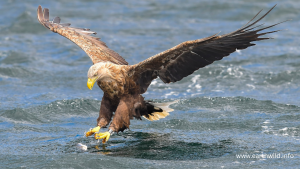
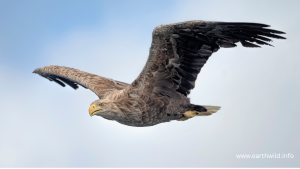
Adult birds display distinctive plumage. Their body feathers are brown with a paler head. The tail is pure white and wedge-shaped, making identification easy. The massive yellow bill and yellow feet are unmistakable features. Young birds appear darker brown overall. They take five years to develop full adult plumage.
These sea eagles differ from golden eagles in several ways. White-tailed eagles have broader wings and a shorter tail. Their flight style is more direct with slower wingbeats.
Habitat and Geographic Distribution
White-tailed eagles prefer coastal areas and large inland water bodies. They nest near seas, lakes, and major rivers across northern Europe and Asia. Scotland, Norway, Poland, and Germany host significant populations.
These raptors need specific habitat features:
- Large old trees for nesting sites
- Open water for fishing
- Minimal human disturbance
- Abundant fish populations
The species once bred across most of Europe. By the early 1900s, persecution and poisoning eliminated them from many areas. Conservation efforts have enabled their return to former territories.
Diet and Hunting Behavior
Fish forms the primary diet of white-tailed eagles. They catch fish weighing up to 3 kg from the water surface. Their hunting strategy involves low glides over water. They snatch prey with their powerful talons without fully submerging.
Their diet also includes:
- Waterfowl (ducks, geese, coots)
- Carrion from dead animals
- Small mammals like rabbits
- Other seabirds
White-tailed eagles are opportunistic feeders. They readily scavenge dead fish and marine mammals. In winter, carrion becomes more important when fishing is difficult. They also steal prey from other birds, including ospreys and herons.
Case Study: Scotland’s White-tailed Eagle Reintroduction
Scotland provides a powerful example of successful raptor conservation. White-tailed eagles disappeared from Britain in 1918 due to persecution.
Between 1975 and 2012, conservationists released 180 young eagles from Norway. They established populations on the Isle of Mull and the east coast of Scotland. The program faced initial challenges. Some birds died, and others dispersed widely.
The results have been remarkable. By 2024, Scotland hosts over 150 breeding pairs. The Isle of Mull alone attracts 35,000 wildlife tourists annually. These visitors contribute £8 million to the local economy each year.
This case demonstrates three critical success factors:
- Legal protection – Strict laws against persecution
- Habitat preservation – Protected nesting areas with minimal disturbance
- Community engagement – Local support through economic benefits
The Scottish experience offers lessons for other reintroduction programs worldwide. It proves that large predators can coexist with human activities when properly managed.
Breeding and Nesting Habits
White-tailed eagles form long-term pair bonds. Pairs often mate for life and return to the same nesting territory yearly.
They build enormous nests called eyries. These structures sit in tall trees or on cliff ledges. Pairs add material each year. Some nests grow to 2 meters wide and weigh several hundred kilograms.
Breeding begins early in the year:
- Courtship displays occur in January-February
- Females lay 1-3 eggs in March-April
- Incubation lasts 38 days
- Chicks fledge after 70-90 days
Both parents share incubation and chick-rearing duties. However, females do most of the brooding while males provide food. Usually only one or two chicks survive to fledging.
Conservation Status and Threats
The white-tailed eagle’s conservation status has improved significantly. The IUCN lists the species as “Least Concern” globally. However, regional populations still face challenges.
Current threats include:
- Poisoning – Illegal use of poison baits targeting predators
- Collision – Wind turbines and power lines cause mortality
- Lead poisoning – Ingestion of lead ammunition from carrion
- Disturbance – Human activity near nest sites causes abandonment
Conservation measures continue across Europe. Protected areas, nest site monitoring, and anti-poisoning campaigns help maintain populations. Removing lead from ammunition would significantly reduce mortality.
How to Observe White-tailed Eagles Responsibly
Wildlife watching supports conservation through ecotourism. Follow these guidelines for ethical eagle observation:
- Maintain distance of at least 500 meters from nests during breeding season
- Use binoculars or spotting scopes instead of approaching
- Stay on marked paths in protected areas
- Never use calls or food to attract eagles
- Support local conservation organizations
Several European locations offer excellent viewing opportunities. The Isle of Mull, Norway’s fjords, and Germany’s Baltic coast provide reliable sightings.
FAQs About White-tailed Eagles
How long do white-tailed eagles live? Wild white-tailed eagles typically live 20-25 years. The oldest recorded individual reached 35 years in the wild.
Are white-tailed eagles dangerous to humans? No. These birds avoid humans and pose no threat to people. They do not attack humans even when defending nests.
What’s the difference between white-tailed eagles and bald eagles? These species are close relatives. White-tailed eagles have a white wedge-shaped tail, while bald eagles have completely white heads and tails when mature.
Do white-tailed eagles migrate? Northern populations migrate south in winter. Southern populations remain resident year-round. Young birds wander widely before settling in breeding territories.
Can I see white-tailed eagles in my area? Their range is expanding. Check local bird watching groups or visit eBird to find recent sightings near you.
Take Action for Eagle Conservation
You can support white-tailed eagle conservation today. Consider these actions:
- Donate to organizations like the Royal Society for the Protection of Birds (RSPB) working on raptor conservation
- Visit eagle watching sites to support local conservation economies
- Report illegal persecution to wildlife crime officers
- Educate others about the importance of large predators in ecosystems
Visit RSPB’s white-tailed eagle page to learn more about current conservation projects and how you can help.
Conclusion
The white-tailed eagle’s recovery demonstrates nature’s resilience when given protection. From near extinction to thriving populations, these magnificent sea eagles now soar over European coastlines once again. Their success story provides hope for other endangered species. By supporting conservation efforts and practicing responsible wildlife observation, we ensure future generations can marvel at these impressive raptors. The white-tailed eagle reminds us that dedicated conservation work delivers real results.