


Sea Eagle: Master of Coastal Skies
Sea eagles are powerful hunters that rule coastal waters worldwide. These massive birds catch fish with deadly precision. Moreover, they play vital roles in marine ecosystems. Furthermore, understanding sea eagles helps us protect ocean environments. This guide covers their hunting skills, habitat needs, and conservation status.
What Makes Sea Eagles Special
First, let’s explore what sets these birds apart. ocean eagles belong to the genus Haliaeetus. Additionally, they have unique features for ocean hunting.
Physical Power: These birds are huge. For instance, Steller’s sea eagles weigh up to 9 kilograms. Similarly, their wingspans reach 2.5 meters. As a result, they can carry large fish easily.
Sharp Vision: Sea eagles see incredibly well. In fact, their eyesight is eight times better than humans. Consequently, they spot fish from great distances.
Strong Talons: Their claws are perfect weapons. Specifically, talons measure up to 5 centimeters long. Therefore, slippery fish cannot escape their grip.
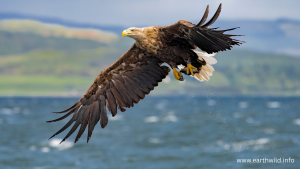
Main Sea Eagle Species
Currently, eight species exist worldwide. However, three stand out as the most impressive.
Bald Eagle: America’s national bird lives near water. Initially, DDT poisoning nearly killed them all. Now, successful conservation brought them back. Today, over 316,000 bald eagles soar across North America.
White-bellied Sea Eagle: This Asian giant hunts across coastlines. Notably, it ranges from India to Australia. Moreover, its white belly makes identification easy.
Steller’s Sea Eagle: The world’s heaviest eagle lives in Russia and Japan. Furthermore, its massive yellow beak crushes bones effortlessly. Additionally, climate change threatens its Arctic habitat.
How Sea Eagles Hunt
These predators use several hunting methods. Each technique works for different situations.
Plunge Diving: Eagles dive straight down into water. Subsequently, they grab fish near the surface. This method requires perfect timing.
Surface Skimming: Birds fly low over water. Then, they snatch fish with their talons. Importantly, they never fully enter the water.
Scavenging: Eagles often steal food from other birds. Also, they eat dead fish on beaches. This behavior saves energy for breeding.
Cooperative Hunting: Sometimes pairs hunt together. One bird drives fish toward its partner. Consequently, both birds catch more prey.
Diet and Food Preferences
ocean eagles eat various marine animals. However, fish make up most of their diet.
Primary Foods:
- Salmon and trout
- Marine snakes
- Small seals
- Waterfowl
- Crabs and shellfish
Interestingly, food availability affects breeding success. When fish are scarce, fewer chicks survive. Therefore, healthy fish populations are crucial.
Case Study: Scotland’s Sea Eagle Recovery
Scotland’s ocean eagles project shows conservation in action. Originally, these birds disappeared from Scotland in 1918. However, reintroduction efforts began in 1975.
The Challenge: ocean eagles needed suitable habitat. Additionally, local communities feared livestock attacks. Furthermore, illegal killing remained a problem.
The Solution: Scientists imported 82 young eagles from Norway. Next, they released birds on the Isle of Rum. Meanwhile, education programs changed public attitudes.
Remarkable Results: Today, over 130 breeding pairs live in Scotland. Moreover, the population grows by 10% yearly. Additionally, eagle tourism brings £5 million annually to local communities.
Key Success Factors:
- Long-term commitment (45+ years)
- Community engagement programs
- Legal protection measures
- Continuous monitoring efforts
This project proves that patience and planning work. Furthermore, it shows how wildlife can benefit local economies.
Threats Facing ocean eagles
Unfortunately, these magnificent birds face many dangers. Climate change tops the list of concerns.
Environmental Threats:
- Ocean plastic pollution
- Coastal development
- Fish population decline
- Wind turbine collisions
- Illegal hunting
Climate Impact: Rising temperatures change fish migration patterns. Consequently, sea eagles struggle to find food. Additionally, severe storms destroy nesting sites.
Conservation Efforts Worldwide
Fortunately, many groups work to protect sea eagles. Their efforts show promising results.
Protection Strategies:
- Habitat preservation programs
- Breeding assistance projects
- Public education campaigns
- International cooperation agreements
- Research and monitoring initiatives
Notably, the Raptor Research Foundation leads global conservation efforts. Similarly, BirdLife International coordinates protection programs worldwide.
Why ocean eagles Matter
These apex predators maintain ecosystem balance. Without them, fish populations would explode. Consequently, marine plants would disappear. Therefore, protecting sea eagles protects entire ecosystems.
Ecosystem Services:
- Population control of prey species
- Nutrient transport from sea to land
- Indicator of environmental health
- Tourist attraction generating income
Frequently Asked Questions
How big do sea eagles get? ocean eagles are among the largest raptors. Steller’s sea eagles reach 9 kilograms. Meanwhile, their wingspan stretches 2.5 meters across.
Where do sea eagles live? They inhabit coastlines worldwide. However, each species prefers specific regions. For example, bald eagles live in North America.
What do sea eagles eat? Fish form their main diet. Additionally, they eat water birds, marine mammals, and carrion. Food availability varies by season and location.
How long do sea eagles live? Wild ocean eagles live 20-30 years typically. However, captive birds often reach 40+ years. Good nutrition and veterinary care extend lifespans.
Are sea eagles endangered? Status varies by species. While bald eagles recovered successfully, others remain threatened. Consequently, continued protection is essential.
Taking Action for Sea Eagles
Everyone can help protect these amazing birds. Simple actions make real differences.
What You Can Do:
- Reduce plastic waste in oceans
- Support sustainable fishing practices
- Visit wildlife reserves responsibly
- Report illegal hunting activities
- Donate to conservation organizations
Join the effort today. Visit BirdLife International’s Sea Eagle Project to support ongoing conservation work.
Conclusion
ocean eagles represent nature’s incredible adaptability and power. These coastal giants survived near-extinction through dedicated conservation efforts. Furthermore, their recovery stories inspire hope for other threatened species.
However, new challenges like climate change require immediate action. Therefore, protecting sea eagles means preserving entire marine ecosystems. Moreover, their success benefits coastal communities through eco-tourism opportunities.
Ultimately, ocean eagles remind us that wildlife conservation works when people commit to long-term action. Their soaring flight above pristine coastlines symbolizes what we can achieve together. The future of these magnificent predators depends on decisions we make today.